Friday, August 3, 2012

How to Make a Sesaoid Pad

Check out this article posted by Jenny L. Sanders, DPM on podiatrytoday.com.

"Sesamoiditis can be a challenge for the physician and patient alike. A simple way to alleviate sesamoiditis is to fabricate an offloading sesamoid pad and attach it to the underside of your patient’s sock liner or shoe insole. In just a few minutes’ time, you can fabricate a sesamoid pad and provide relief for this annoying, painful condition. We use these pads on a daily basis and it is nothing short of revolutionary.

Whether patients have sesamoiditis or a sesamoid fracture, helping them get off the injured part can go a long way toward facilitating healing and getting them back to regular shoes or their sport.
The following video shows you how to do this. I use ¼-inch Plastazote but adhesive felt can also be an option.

To watch the video, access http://youtu.be/IkmNX6tkZiw ."

Friday, July 13, 2012

Top 3 Dance Injuries and How to Prevent Them

Most dancers are no stranger to injury.  Dance puts a lot of stress on your body and feet.  However, injury doesn't have to be a part of a dancer's life.  Check out this list of the top three dance foot injuries and learn how to prevent them.  Prevention is the key to having a long, healthy, and enjoyable dance career.

1. Achilles Tendinitis
  • Increase Activity Level Gradually
  • Choose Shoes Carefully
  • Stretch daily - Try this ProStretch available through our Product Store.
  • Strengthen Calf Muscles
  • Cross Train

2. Sprained Ankle
  • Warm-Up
  • Use caution when on uneven surfaces
  • Wear shoes that fit well and are made for dance;avoid heels
  • Maintain your strength and flexibility
  • Practice Stability training
3. Bruised Toenails
  • Wear Shoes that fit properly
  • Shop for you dance shoes in the afternoon or evening
  • Ice your toes after class
  • Make sure your socks are the right material and thickness
If you think you are injured, do not hesitate to go to a doctor.  Putting off treatment will cause an injury to worsen and increase the time you won't be able to dance. Call our office at 419-423-1888 to schedule an appointment.

Friday, June 8, 2012

Get Smart about Summer Intensives


For most serious young dancers, summertime means taking a break from your normal studio and heading somewhere new for a summer intensive.  Going to a summer intensive can be a great experience for any dancer filled with new teachers, new friends, and improvement.  If you are nervous about going away from your first time, you probably aren't alone!  Check out these tips from danceadvantage.net before you go.

  • Find out as much as you can from your friends and other dancers who have gone to the same intensive.
    • Your nerves will be eased a little if you know what to expect.  Most people will be happy to share their experiences with you.
  • Read every correspondence packet from your school very carefully.
    • You don't want to miss a beat! This will also help keep you in the loop so you know what to expect.
  • Prepare mentally
    • Think about your goals for the summer.  It is also a good idea to purchase a notebook so you can write down any notes or corrections you receive throughout the summer.
  • Don't go with any preconceived notions
    • This is sure to make you unhappy, just let things work out!
  • Pack everything on your list --- compactly!
    • Make sure you have everything you need, but nothing you don't.  It is no fun lugging huge bags of useless stuff around the airport or through the city. You can probably leave your prom dress and costume jewelry at home.  However, these Engo blister prevention patches are a great thing to have handy and are available through our online product store. Throw them in your dance bag to take to your classes just in case your shoes begin to bother you. 
  • Bring something familiar from home
    • Having a small token from home will help you when you get homesick.
  • Up your activity level in advance
    • This will help you prepare for the intense schedule that is demanded at a summer program. 
If you experience any pain while away, or before you go,  be sure to visit your podiatrist.  Call us at 419-423-1888 or visit our website to schedule an appointment.  It will be very difficult to improve your technique if you are dancing on injured or painful feet.

Thursday, May 31, 2012

Keep Your Dancing Feet Healthy

Follow these 10 tips for keeping your feet happy, healthy, and ready to dance. 

1.Don't ignore foot pain. It is not normal. If you experience any type of persistent pain in the foot or ankle, please contact our office.


2.Inspect your feet regularly. Pay attention to changes in color and temperature. Look for thick or discolored nails (a sign of developing fungus), and check for cracks or cuts in the skin. Peeling or scaling on the soles of feet may indicate Athlete's Foot. Any growth on the foot is not considered normal.

3.Wash your feet regularly, especially between the toes, and be sure to dry them completely.

4.Trim toenails straight across, but not too short. Be careful not to cut nails in corners or on the sides; this can lead to ingrown toenails. Persons with diabetes, poor circulation, or heart problems should not treat their own feet, because they are more prone to infection.

5.Make sure that your shoes fit properly. Purchase new shoes later in the day when feet tend to be at their largest, and replace worn out shoes as soon as possible.

6.Select and wear the right shoe for each sport or activity that you are engaged in (e.g., running shoes for running).

7.Alternate shoes—don't wear the same pair of shoes every day.

8.Avoid walking barefooted. Your feet will be more prone to injury and infection. At the beach or when wearing sandals always use sunblock on your feet.

9.Be cautious when using home remedies for foot ailments. Self-treatment may turn a minor problem into a major one.

10.If you are a diabetic, please contact our office and schedule a check-up at least once a year.


Monday, December 19, 2011

Stay in Shape Over Break


The holiday season often means a week or two of from school and dance classes.  The holidays are a nice break from class and a great time to catch up with friends and family.  However, don't let yourself get behind over break.  Try these five tips from Dancefullout.com to make sure you are ready to hit the dance floor after the new year.

1. Stretch Every Day

To avoid having extremely sore muscles when you return to class, keep yourself limber by stretching everyday.  It is a great way to avoid being sore and a way to ensure you maintain your flexibility. Put the Stretch-EZ optic on your Christmas list.  It can be found at Our Online Product store and is great for aiding in physical mobility and flexibility, the Stretch EZ's cradle design encompasses the foot allowing for a comfortable stretch to the foot, heel, Achilles tendon, hamstring, quadriceps, inner/outer thigh and calf.  A break is also a great time to schedule an appointment with your doctor or podiatrist about any problems you may be having.  Call us at 419-423-1888 or visit our website to request an appointment. 

2. Take the Dog for a Walk or Go for A Walk Outside

To keep yourself active while your outside the studio, try a light form of exercise like walking your dog, riding your bike, or even walking around the mall.

3. Try a New Form of Exercise

Since you have some extra time over the break, try a different type of exercise.  Maybe go to your local gym and take a pilates, kickboxing, or swimming class.  Dance is a great form of exercise but you may discover another activity you love while keeping your body in shape for dance class!

4. Review Your Notes

Looking over your notes from class and thinking about your corrections will help you become more aware of them when you head back to class.  If you don't take notes after class already, now is a great time to gather a notebook and start!

5. Watch a Dance Performance

Sit back, relax, and let someone else do the dancing!  Watching a dance performance will inspire you and remind you why you love to dance.  It is also a great way to take control of your dance education and learn about different forms of dance and revisit the classics.

Finally, don't forget to enjoy your break.  Dancing is so much fun but it is also nice to let your body relax and take a break from dancing for a few days.

Tuesday, August 23, 2011

Nail Polish Do's and Dont's for Dancers


Most female dancers enjoy spicing up their feet for modern class or sandals with some nail polish.  It is fun, festive, and a great way to make your feet look a little less beat up from the dance floor!  However, there are some dangers to wearing nail polish, especially for dancers.


The first danger of nail polish is the limited visibility of toenails whilst wearing it.  If you cannot see your toenail, there may be problems with your feet you are unaware of.  For example, your pretty polish may be covering up bruised toenails, which can be a great source of pain and may cause your nails to fall off!  Your polish could also be hiding fungal toenails. Fungal toenails can be spread in public areas, so you may be unknowingly passing it on to your friends in modern class on the hot marley floor. If you are unaware of the problem, there is no way you can fix it! The second danger of nail polish is the harsh chemicals in the polish and remover. Some polishes contain formaldehyde, which has been proven to be a carcinogen, and other dangerous chemicals.


 If you want to wear nail polish try Dr. Remedy's line of enriched polishes and removers.  You should also allow your nails at least one week out of the month to have fresh air and to check for any toenail problems the polish may be hiding. Dr. Remedy's enriched polish remover is available through the product store. If you notice any problems with your feet or toenails upon the removal of your polish, call our office at 419-423-1888 or visit our website to request an appointment. You should also make an appointment with your podiatrist if you notice any other problems with your feet, not just your toenails!

Friday, August 5, 2011

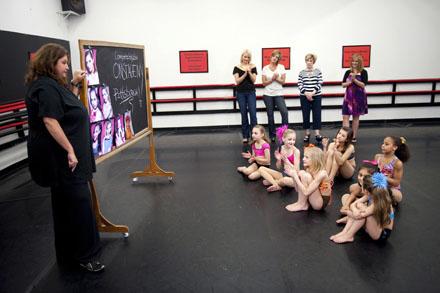
Dance Moms

The Cast of the New Series Dance Moms
The new lifetime reality series Dance Moms, showcases a dance studio, its dancers, and of course, their mothers.  The cameras follow the talented young dancers and their mothers to the studio and to their weekly competitions.  The show is the typical reality television show, filled with conflict, mothers out for blood, and a demanding dance teacher in black.  Once the viewer digs beneath the drama and fighting, he or she finds very talented young dancers working hard night after night.  However, all of this hard work is bound to take a toll on the young dancers.

The show depicted Brooke, a thirteen year old dancer going to see a doctor concerning an ailment in her hip.  The young girl was very mature in making the decision to see a doctor about her pain.  Young dancers should take notice of this mature behavior and see a doctor about pain, especially in their feet. Dancers should also alert their parents and teachers of their pain so they do not further injure themselves. Some common problems to look out for include Achilles tendinitis, sesamoidits, and plantar fasciitis.

ACHILLES TENDONITIS is the inflammation of the Achilles tendon, which attaches the calf muscle to the heel bone. Achilles tendonitis is first noticeable as a mild pain during and after exercise that gradually worsens with continued use. Running and jumping generally increase this pain, and feet may feel weak during repeated relevés and fast allegros. The tendon will often feel stiff until calf muscles warm up. Sometimes there is a point about an inch and a half above the heel bone that is tender to the touch. Achilles tendonitis is caused by tight and/or weak calf muscles, jumping without being fully warmed up, chronic rolling in and not putting heels down in successive relevés or when landing jumps.


If left untreated, inflammation of the tendon can irritate ankles and may cause a partial tendon tear or rupture. A rupture is an emergency requiring surgery. If the tendon ruptures, you won’t be able to stand or walk on the affected leg. Rehabilitating from a tear or rupture takes much longer than treatment for tendonitis.

To avoid injury or irritating an existing injury, maintain both flexibility and strength in calf muscles. Warm up calf muscles with ankle circles and by sitting with legs extended straight in front of you and pointing and flexing feet 30 times or more. Release tension from the calf muscles by stretching after every time you dance. Assess foot mechanics, taking care to put heels down during demi pliés, before taking off for and when landing from jumps. Stretching the calf muscle regularly will help to break the habit of popping heels.

SESAMOIDITIS is inflammation of the sesamoid bones, or the bones that move the big toe downwards.  It occurs on the bottom of the foot behind the big toe. It is caused by excess force on the bones or sudden upward movement of the toe.  Sesamoiditis may be treated with anti-inflammatory medication, cortisone injections, taping, or orthotics.

 PLANTAR FASCIITIS is a painful foot condition caused by inflammation of the plantar fascia, a thick band of connective tissue between the heel bone and the ball of the foot. When you walk, run and dance, this tissue transmits your weight through the foot. Plantar fasciitis causes pain on the bottom of the foot close to the heel. Discomfort is most acute when trying to walk first thing in the morning or after prolonged sitting. Many patients with plantar fasciitis also develop a heel spur—a protrusion of bone that can be seen in an X-ray jutting from the heel bone.


Pronation (rolling in), very high arches, sudden weight gain and tight Achilles tendons can all cause plantar fasciitis. Less common causes are poorly fitting shoes or running without warming up.
Left unattended, an inflamed plantar fascia will continue to pull on the bone spur, making it larger and more painful. Continued spur growth could require surgery.

To prevent plantar fasciitis, if you were born with high arches, regularly massage the bottoms of feet with a tennis ball. Maintain strong and flexible feet and ankles through daily exercises with an exercise band. When dancing, keep weight equally divided between the pads of the big and little toes and the heel. Also, your toes shouldn’t grip the floor when standing or in demi-pointe. Try the footroller depicted above, available at our product store.

If you are experiencing any bad pain in your feet or ankles or think you may be suffering from one of the conditions listed above, call our office at 419-423-1888 or visit our website to request an appointment.

Thursday, December 23, 2010

Attention Young Dancers---Protect Your Feet

Although dance is an excellent and safe form of exercise, improper training and bad habits can cause the body harm.  Ensure that you are taking lessons from a trained professional and in a quality facility.  Your teacher should know basic anatomy and how to keep you safe from injury.  The facility should be safe and have non-concrete floors.  Most studios have marley floors, which are sprung floors specially designed for dancers.  Beginning dancers should take these six guidelines to account to protect their feet from damage. 

1.     The feet should be held evenly on the floor with the toes straight.
2.     The feet should never sickle, especially in demi-pointe or releve.
3.     Children should not curl their toes to give the illusion of higher arches when pointing their feet.
4.     A demi-plie should be taught to originate from the hips and children should not force it by pronating the feet.
5.     A half-toe position should not be held for an extended period of time because it can cause irritation to the bones in the feet.
6.     The heel must remain on the floor as long as possible in tendu to properly stretch the leg and foot.  When the heel and arch leave the floor, all the muscles in the ankle must stretch and the muscles under the instep should tighten slightly to avoid sickling the foot.


Pointe work is another important issue for young dancers.  Begininning pointe work is very serious and should be done with care.  Dancers should not begin pointe work until they are at least eleven or twelve.  She should be mature both mentally and phsycially.  She should also have the strength for pointework, as being weak on pointe makes you very prone to injury.  It is very rare for a class to begin pointework as a whole, so if you are behind your class don't worry! Just keep working up your strength and focus and you will be caught up with your class soon.

If a child does start pointe be sure they are prepared.  They should be properly fitted and have proper padding in their shoes.  This may include a toe spacer, like the one on vailfoot.com, to avoid bunions. If you have any further questions about how to protect your feet or need to adress a problem with your feet, call our office today at 419-423-1888Remember, your health always comes first!!

Tuesday, December 21, 2010

Holiday Shows and Sugarplum Fairies

The Nutcracker is based on the story "The Nutracker and The King of Mice" by E.T. Hoffman and all of the music in the ballet is written by Tchaikovsky.  The story is about a young German girl who dreams of a Nutcracker prince and a battle with the King of Mice and consists of five scenes.

The Party Scene- This scene takes place on Christmas Eve at the Stahlbaums annual party. Clara and Fritz are the children. Godfather Dosselhymer presents two life size doll to the children. Clara receives the nutcracker doll. Fritz becomes jealous and grabs and breaks the doll. Godfather fixes the doll with a magical handkerchief.  Night falls and the family goes to sleep while Clara sneaks out to the tree to check on her doll, falling asleep with it in her arms.
The Fight Scene - The clock strikes midnight and the toys come to life. The Nutcracker awakens and goes into an intense battle with the mice and the Mouse King. The Nutcracker is victorious.
The Land of Snow - The Nutcracker turns into a prince and takes Clara on an adventure to the Land of Snow, an enchanted forest where they are greeted by dancing snowflakes.
The Land of Sweets - The Prince escorts Clara to the land of sweets where they are greeted by the Sugar Plum Fairy. The prince tells her about their daring battle with the Mouse King and she rewards them with a celebration of dances including, Spanish, Arabian, Russian, Chinese, Mirilton Dances and the Waltz of Flowers.
The Dream Ends - Clara arises from her sleep alone by the Christmas tree with her Nutcracker.

The Nutcracker is a holiday classic and for ballet dancers means a lot of work! Dancers should be prepared for the extra amount of stress dancing a show can put on their body and feet. Our product store at vailfoot.com has several products to relieve your aching feet.  One great product is RecoverIce Ice Wrap Bandage.  This product is great because it requires no refrigeration and you can take it backstage with you because it stays cool for up to 2 hours. It provides cooling and compression and is ready to use.  A perfect product for backstage aches. If you are having post-Nutcracker problems with your feet, contact our office at 419-423-1888 and schedule and appointment today or visit our website at vailfoot.com.

Friday, December 17, 2010

Don't Be Afraid - - - Doctor's Are Here to Help!

Dancing is a great way to exercise, express yourself, and have fun.  However, dancing can also cause feet a lot of stress and trauma.  The hit television show So You Think You Can Dance is a great example of this.  Last season, several of the contestants suffered from major injuries.  Billie Bell suffered from a knee injury and Alex Wong ruptured his Achilles tendon.  Alex and was unable to finish the competition but Billie took a week off and was able to continue. 

Dancers should learn from Billie Bell and take care of their bodies including their feet.  Sometimes rest is necessary.  If your injury continues to bother you, see a doctor!  Many dancers avoid going to the doctor because they are afraid the doctor will tell them not to dance.  This could actually cause the dancer more problems in the long run! If a dancer is dancing on an injured body part they could be making it worse and causing a long term problem out of a short term one.  Don't be ashamed of your feet.  If they are causing you problems go to a podiatrist and resolve the issue before it becomes a bigger problem!

Also, be sure you are taking preventative measures.  Keep your body in shape with a regular strengthening and stretching routine.  It is a good idea to keep thera-bands in your dance bag and create a stretching and strenghting routine for the thera bands.  Our product store is a perfect place to purchase thera-bands.  When this routine becomes too easy or boring, change it out for a new one.  If you are in class and something starts to hurt you, stop!  Most importantly, if you are experiencing pain that does not go away within a normal amount of time go to see your doctor. Don't let a minor injury turn into a major problem! Call our office at 419-423-1888 and schedule an appointment today.

Tuesday, December 14, 2010

Pronation

Pronation is the inward roll of the foot during normal motion and occurs as the outter edge of the hell strikes the ground and the foot rolls inward and flattens out.  A small amount of pronation is necessary and normal for the foot to work properly. However, excessive pronation can lead to damage and injury especially in dancers.  Excessive pronation causes the arch of the foot to flatten and stretch out the muscles, tendons, and ligaments of the foot. Excessive pronation can cause several painful symptoms including
    • Arch Pain
    • Heel Pain
    • Flat Feet
    • Corns and Calluses
    • Ankle Sprains
    • Shin Splints
    • Achilles Tendonitis
    • Knee Pain
    • Hip Pain
    • Back Pain
Orthotic inserts and proper footwear are the best way to treat over pronation.  Schedule and appointment with your podiatrist to get fitted for orthotic inserts.  There are also some other things you can do to prevent over pronation.  First, do a thorough and correct warm-up before any physical activity or sport. Second, have a stretching routine. This helps prevent your muscles from being too tight or too stiff which makes injury more likely to occur. Third, strengthening and conditioning can also help prevent injury.  Finally, there are several products that help with over pronation. These products can be found at the product store on vailfoot.com.  Some of these products include Dr. Jill's Gel Arch Pads and Women and Men's Lace Up Athletic Walking Shoes.
Dr. Jill's Gel Arch Pads Feature
-Soft gel supports fallen arches, weak arches, high arches & pronation related foot problems.
-Self-stick pads make for easy application.
-Washable and re-usable pads. Each pad can be used over-and-over again.
-Two Sizes guarantees a comfortable fit.
-For use in all styles of footwear.
The Athletic Lace Up Walking Shoes Feature

  • Soft leather upper with stretchable panels that shape to the contours of the foot for a comfortable, non-binding fit.


  • Soft fabric lining with extra foam padding enhances comfort and protects the foot against irritations.


  • Ortho-Step® multi-layer insole cradles the foot, providing customized support along with excellent shock absorption. It offers relief for heel pain and foot discomfort, making every step you take extremely comfortable.


  • Wide, lightweight cushioning sole with Ergonomic-Stride construction enhances comfort and stability, and assists your body to propel. 


  • Anatomical design with added depth and a wide toe box ensures a relaxed fit and freedom for toe movement. 


  • Two sets of removable spacers (2 mm and 3 mm thick) allow the adjustment of the space inside the shoe for a perfect fit.


  • Friday, December 10, 2010

    What's In Your Bag?

    Being prepared for anything is very important as a dancer.  Shoes can break, ribbons can fall off, and injuries can occur. Be sure to stock your dance bag with all of the items you need.  Here is a list of the top ten things you should carry in your bag.

    1. Dance Shoes!- This item is a no brainer, but double check your bag every time you leave the house. Make sure you have all shoes, for example tap, jazz, ballet, character or whatever shoes you need, and that you have a right and left of each.  There is nothing more embarrassing then only having your right tap shoe!

    2. Hair Accessories- This includes bobby pins, hairspray, hairnets, hair ties, and headbands.  No matter how often you wear a hairstyle, there is always a chance that it could fall out and you need to re-do it.

    3. Extra Clothing - Always be prepared with an extra pair of tights, a leotard, long pants, and knee pads.  Tights are easily ruined and sometimes rips and spills are inevitable, so throw tights and a leo in your bag just to be safe. As for long pants and knee pads you never know when a class is going to require floor work so they can help protect you from Marley burn and your knees from injury. 

    4. A Sewing Kit - This is especially important for ballet dancers.  Ribbons and elastics often need to be reattached.  Be sure you kit includes, a needle, thread, and scissors. It is also not a bad idea to keep an extra set of ribbons and elastics in your sewing kit.

    5. Thera-Bands - Thera Band exercises are a great way to warm up and stretch your feet before class begins.  You can purchase therabands at our product store website. 

    6. A Snack - Keeping a granola or power bar in your dance bag helps for times when you are exhausted and begin to feel lightheaded or dizzy.  Eating a snack will help boost your energy.

    7. Water - Water is extremely important for any type or exercise. Be sure you always come to class with plenty of water to make it through the day.

    8. Deodorant - No one likes to smell!

    9. A Notebook - Keep a notebook in your bag to jot down notes and corrections right after class while they are fresh in your mind.

    10. A First-Aid Kit - Bring tylenol, baind-aids, toe tape, and other pain relievers.

    Tuesday, December 7, 2010

    Ingrown Toenails

    Dancing is a great way to stay fit, be creative, and have fun.  However, sometimes dancers struggle with foot pain and problems that can take the fun out of any dance class.  One of the issues includes ingrown toenails.  An ingrown toenail is a condition in which the nail grows into the skin, usually at the nail borders.  An ingrown toenail can be caused by
    • Heredity - A dancer may be prone to ingrown toenails if someone in his or her family also struggles with them.
    • Trauma - An ingrown toenail may be caused by trauma such as stubbing your toe or dropping an object on it.  Dancing on pointe (especially when nails are too long) or wearing shoes that are too small may also factor in to the cause of an ingrown.
    • Improper Trimming - Cutting toenails improperly is another very common cause of ingrown toenails. An ingrown toenail is often the result of trimming nails too short.  
    • Improperly Sized Footwear - Shoes or socks that are too tight can cause trauma to toenails. Shoes that are too loose may also cause an ingrown toenail.
    • Nail Condition - An ingrown toenail is sometimes caused by a fungal nail infection or losing a nail due to trauma.

    There a few preventative steps you can take to avoid having an ingrown toenail.  Be sure that your dance shoes, as well as your street shoes, fit properly.  This helps prevent unnecessary trauma to the toe and toenail.  Also, be sure you are trimming your toenails properly. Cut your toenails straight across and make sure you do not cut them too short.   A good way to test the length is to make sure you can slide your fingernail under the sides and ends of the nail. 

    If you are experiencing an ingrown toenail, set up an appointment with your podiatrist.  The doctor will examine your feet and may perform a minor  in office procedure.  He may also prescribe medication if the ingrown was caused by an infection. 

    For some products to keep your toenails happy, visit the product store at vailfoot.com.  For example, Dr.'s Remedy Enriched nailpolish is a great way to keep your dancing feet happy and healthy!

    Thursday, August 26, 2010

    Strong ankles, balance, posture, and strength are very important to becoming a good dancer.  There are several exercises geared toward dancers that will help improve strength, balance, and posture.  For example, pilates and yoga are excellent forms of cross training for dancers as they focus on muscle tone, control, and flexibility.

    To strengthen your core try this bicycle crunch exercise, Lie flat on the floor with your lower back pressed to the ground. Put your hands beside your head. Bring your knees up to about a 45-degree angle and slowly go through a bicycle pedal motion. Touch your left elbow to your right knee, then your right elbow to your left knee. Breath evenly throughout the exercise.

    Another great exercise for ab strenghtening is the plank.  Here's how to do it right. Begin in the plank position with your forearms and toes on the floor. Keep your torso straight and rigid and your body in a straight line from ears to toes with no sagging or bending. Your head is relaxed and you should be looking at the floor. Hold this position for 10 seconds to start. Over time work up to 30, 45 or 60 seconds.

    The AeroMat Balance Block is another great safe and effective training device to improve balance, posture, strength and coordination. The shiny vinyl coated surface is durable and easy to clean.

    The mat will help improve your balance, control, and posture.  This mat is an excellent device to use to prevent injury and improve ankle strength.  The mat is available through product store.

    Visit vailfoot.com for all of your ankle and footcare needs.

    Wednesday, August 25, 2010

    Red Hot Warm Ups

    Flexible bodies are one of the many factors that makes dance beautiful to watch.  Flexibility is very important to every dancer, and flexibility is achieved by stretching.  There are many benefits to stretching including pain relief, increased energy levels and flexibility, increased range of motion, increased circulation, relaxation, stress relief, and improved posture just to name a few.  In terms of dancing,  stretching increases your ability to do certain things.  For example, stretching out a tight calf muscle and Achilles tendon can greatly improve the depth of your plie and in turn help your jumps and all around quality of movement.  Stretching out your back allows for a dancer to improve on their arabesque and port de bras.  Releasing tight hamstrings can improve battements and grande allegro. 

    Pro Stretch - Double
    The ProStretch conditioning and stretching devices isolates the lower leg muscles, tendons and ligaments for the ultimate deep stretch.  A favorite of physical therapists, trainers and pro athletes -- just look closely on the sideline of an NBA, NFL, or NHL game and you're likely to see a ProStretch. That's because they're proven to stretch the leg muscles easier and far more effectively than conventional methods. Exercise both legs simultaneously to improve flexibility and alleviate injuries to the lower extremities.  This device is perfect to throw in your dance bag and use to stretch out your muscles before and after class. Available at the product store on vailfoot.com.

    As you can see, there are several benefits to stretching and it is vital to becoming a better dancer.  Be sure to warm up properly before and after exercises and do only what your body can handle.  Ease into the stretch and you will eventually get to your goal flexibility. 

    Friday, August 20, 2010

    Funky Feet

    Every dancer deals with sweat, some more than others.  Sweating is totally natural and ensures a good workout during dance class.  Although good and healthy, sweat stinks- especially on a dancers foot.
    Foot Odor is due to a combination of footwear and the fact that feet have a very large amount of sweat glands.

    Sweat is basically composed of just salt and water, so it does not have a smell of its own. The smell occurs when bacteria that normally live on the skin eats the sweat and excretes waste that has a strong odor.

    So why doesn't the rest of the body produce such disgusting scents? Because the sweat has a chance to escape into the air or evaporate, unlike feet that are enclosed in tights, tap shoes, pointe shoes, or jazz shoes where sweat accumulates.

    Normal sweating is caused by exercise, hot weather, stress, anxiety, and excess clothing.  Excessive sweating can be caused by

    Heredity: Some people inherit a tendency to sweat excessively, especially on their palms and the soles of their feet.


    Diet : Spicy foods, hot beverages, and beverages that contain alcohol and caffeine can increase sweating.

    Certain medications:  Some examples include some medications to treat mental disorders, morphine, and thyroid medicine.

    For dancers who exercise regularly and sweat heavily, it is perfectly normal!  To reduce the stink of your feet and gain more friends at dance class, try simple hygiene to reduce the smell of your feet as well as Neat Feat® Cool Foot Spray contains antiperspirant and deodorant. Cooling menthol provides immediate relief and has a light fresh fragrance.  The Cool Foot Spray can be used as often as desired, a perfect item to keep stored in your dance bag.  Click Here to Purchase!

    Visit Vailfoot.com for all of your foot care needs.

    Thursday, August 19, 2010

    Achilles Tendonitis

    Dancing is an excellent way to get some exercise, be creative, and meet new people.  With the start of school comes the start of dance classes.  For serious dancers this can mean returning to a very rigorous schedule, some dancers partake in five to six classes a week! Because of this, dancers are especially prone to injury.  Dance injuries commonly involve the foot and ankle.  No dancers want to be off the dance floor due to an injury, especially at the beginning of the year.  One way to ensure you are a happy and healthy dancer all year round is through education and listening to your body. Warm up thoroughly before classes, drink lots of water, eat a nutritious diet, and pay attention to your instructor.  If something hurts, stop and if it continues to hurt, see a doctor!

    One very common injury in dancer is Achilles Tendinitis.  Achilles Tendinitis is defined as a condition of irritation and inflammation in the large tendon in the back of the ankle.  Those who suffer from it experience pain in the back of the ankle, especially after being inactive, and activities that involve pushing of with the ankle like running and jumping. Achilles Tendinitis is often caused in dancers from jumping and not landing with the whole foot on the ground every time.  If Achilles Tendinitis is not treated in a timely manner, in can become a chronic problem and cause degenerative changes in the tendon, and can even contribute to an Achilles Tendon rupture.

    If you are experiencing pain from Achillis Tendinitis, schedule an appointment with your doctor.  A great way to relieve the pain is with Flexstat topical pain reliever available through vailfoot.com.  Tripod Labs Flexstat is a deep penetrating topical pain reliever that provides quick, effective relief from muscle and joint pain due to sprains, strains, bruises and arthritis. By utilizing a powerful blend of traditional medicines with the purest herbal extracts such as DMSO, MSM, Eucalyptus Oil, Vitamin E and Menthol, Flexstat provides a superior solution for treating foot and ankle pain. This lightly scented formula is proven to relieve pain, dramatically reduce inflammation, and improve joint movement.

    Tuesday, August 17, 2010

    Ballet and Bunions

    Dancing can be very tough on your body, especially the feet.  As a matter of fact, fifteen to twenty percent of dance injuries involve the foot. Ballet dancers are especially prone to foot related injuries due to pointe work.  Serious ballet dancers may be on pointe for up to four house a day.  Although beautiful, pointework places a significant strain on the feet and legs.  The effected areas include the Achilles tendon, toenails, and metatarsals. Bunions are very common  problem in dancers who have been on pointe for several years.

    "A bunion is a bony protrusion on the edge of the big toe joint which develops when the big toe is forced to angle inwards towards the other toes. It may or may not produce pain and swelling. Some bunions (or hallux valgus) are hereditary however dancers often develop them due to the constant pressure of the tight fitting toe shoe against their feet, and the increase stress on the medial column as a dancer attempts to achieve more ‘turn-out’. The constant friction of a tight shoe can exacerbate bunion pain. Along with anti-inflammatory medication a gel-like spacer between the toes can help. The pointe shoe should be checked to make sure the toe box area matches the shape of the foot and is not too narrow. Bunion surgery is not recommended during a dancer’s career, as it can severely reduce range of motion."

    Bunions can be prevented by using toe-spacers which can be purchased where you find pointe shoes and most major dance stores.  Another doctor recommended product are foam spacers which can be purchased at vailfoot.com.  Bunions do not have to be a fact of life for ballerinas!  If you are experiencing any other foot troubles or bunion troubles call your doctor today.

    Monday, August 9, 2010

    Blister Blunders

    Everyone loves getting new shoes.  Shopping is fun and replacing a pair of worn out dance shoes can make your feet feel brand new.  However, the breaking in processing can put a damper on the fun. New dance shoes can be a pain, especially if you are prone to blisters.  Blisters are commonly caused by friction and this can be attributed to ill-fitting new shoes.  To avoid painful blisters follow these simple shoe purchasing tips.


    • Meaure your feet once or twice annually.  Be sure to measure length and width.
    • Feet swell throughout the day, so shop for your shoes in the afternoonon.
    • Bring along or wear the socks or tights you will be wearing with your shoes.  A thicker or thinner sock can cause the shoe to rub or slip.
    • Try on different sizes for each foot. Feet are not always the same size, so don't try to purchase the smaller size for the larger foot or the larger size for the smaller foot, especially when it comes to pointe shoes.
    Here are some tips on how to care for common blisters on the feet.  If you have diabetes or poor circulation consult your doctor before attempting the self-care tips.
    • If the blister is not causing too much pain, do not puncture it. The skin provides a natural barrier from bacteria.
    • Cover the blister with a band-aid.
    • Contact your doctor if you notice pus, redness, increasing pain or warm skin.
    • Visit our product store for blister preventing products like the blister prevention patches.
    For more information about your footcare needs visit Vailfoot.com

    Shin Splints

    As summer camps and intensives come to a close, some dancers find themselves nursing aching bodies.  A fellow dancer returned from dance team camp complaining of terrible aching shins.  The young girl was suffering from shin splints, or medial tibial stress syndrome.  The pain is attributed to excess stress on the shin bone and the connective tissue that attach the muscle to the bone.

    Shin splints can be caused from running on a slanted surface, running in worn shoes, sports that stop and start frequently, and training too fast, too hard, and too long. 

    Symptoms of shin splints include soreness or pain along the inner part of the lower leg and mild swelling.  The symptoms may stop after exercise is concluded or be continuous. See your doctor if severe pain in the shins follows an accident, shins are hot and inflamed, swelling worsens, or pain persists during rest. 

    While my dancing friend with aching shins waits for her doctor's appointment she can treat her symptoms with rest, ice, a compression bandage, elevation, and proper footwear.  Also, she can visit vailfoot.com and order Myo-Med Pain Relief Creamto ease the pain of her shin splints.